1. Identify the germs of concern
Blood, sewage, animal waste and infectious illness each call for different products. The crew chooses a disinfectant whose label fits the situation.
Twining, Washington, DC · District of Columbia
When a second, careful pass is needed after a spill, a death or an illness in Twining, call (877) 812-4220. Specialists handle detailed cleaning, surface disinfection and removal of items that cannot be saved.
If anyone is in danger, call 911 first. For a suicide crisis, call or text 988.
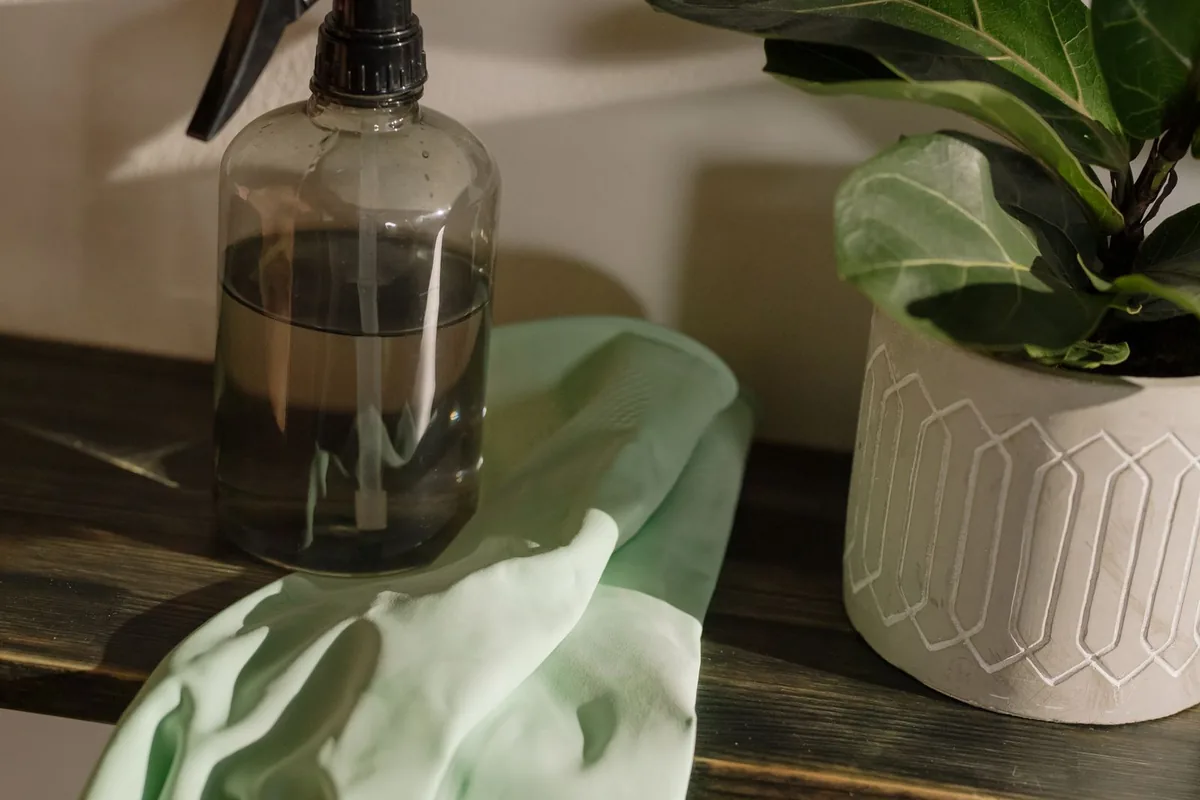
To decontaminate means to remove contamination from surfaces and the air until the space is safe for people to use. In a biohazard setting, that means cleaning first, then disinfecting, then treating odor.
Families, landlords, property managers and business owners in Twining, Washington, DC can get biohazard remediation with help from Twining Biohazard Cleanup Help. You get crews that clean, disinfect and deodorize, then haul waste by the rules.
The nearest emergency room, Medstar Washington Hospital Center in Washington, is about 2 miles from Twining. Anyone with symptoms after exposure should seek medical care first, then set up decontamination.
The work often covers:
Blood, sewage, animal waste and infectious illness each call for different products. The crew chooses a disinfectant whose label fits the situation.
Barriers and floor covering protect clean rooms. Crew members wear PPE and change gear before leaving the zone.
The team works from the cleanest areas toward the most contaminated. Surfaces are cleaned, rinsed and treated with a hospital-grade disinfectant.
Odor sources are removed and the air is treated. Photos and notes are shared so the owner or insurer has a clear record.
Expect biohazard decontamination in Twining, Washington, DC to cost roughly $1,000 to $15,000, with the final price set after an on-site assessment.
Odor treatment can add to the work. A recent spill may need only disinfection, while a long-standing smell may call for repeated treatments or removal of affected building materials.
| Type of job | Typical range |
|---|---|
| Typical national range | $3,000 - $5,000 |
| Biohazard cleanup, published span | $1,000 - $15,000 |
| Residential average range | $1,800 - $4,500 |
These ranges come from published cost guides (Fixr, Yelp Costs, Biohazard cleanup company pricing guide) and are not a quote for Twining. Price drivers include type of contamination, size of the space, surfaces affected, waste disposal. For a real number, call (877) 812-4220.
Biohazard decontamination is the process of cleaning and disinfecting a space after blood, bodily fluids, sewage or similar material. Crews wear protective gear, remove items that cannot be saved and apply a disinfectant matched to the germs involved. The goal is a space safe to use again.
Workers who may contact blood or infectious material are covered by the OSHA Bloodborne Pathogens Standard, 29 CFR 1910.1030. Professional crews follow its rules on PPE and handling. Employers have their own duties, and safety staff can explain them.
Sometimes, but often not. Porous materials soak up fluids, and germs can remain deep inside where disinfectant cannot reach. The team looks at each item and explains which can be saved. Items that cannot be cleaned are removed, sealed and hauled away.
Usually not. Crews arrive in unmarked vehicles, work quietly and keep details private. Tell the team if discretion matters, and it will plan around that.
Cleanup removes blood, bodily fluids and other material from a scene. Decontamination makes the cleaned surfaces and the space safe again through cleaning and disinfecting. Most jobs include both, and the crew can explain how it treats each.
Sometimes. Some homeowners and renters policies cover cleanup after a covered event, and some exclude certain causes. Call the insurance company before work starts, take photos and keep every receipt. Ask the team whether it can supply paperwork.
See all biohazard cleanup services in Twining, Washington, DC →
Describe the contamination by phone and the crew explains how it would be treated.
Call (877) 812-4220