1. Assessment
The team inspects the cabin, finds where fluids reached and decides what can be cleaned and what must come out.
Twining, Washington, DC · District of Columbia
Call (877) 812-4220 if a vehicle in Twining needs more than a wash. The work includes cleaning up blood and body fluids, treating smells that cling to fabric and disposing of contaminated parts.
If anyone is in danger, call 911 first. For a suicide crisis, call or text 988.
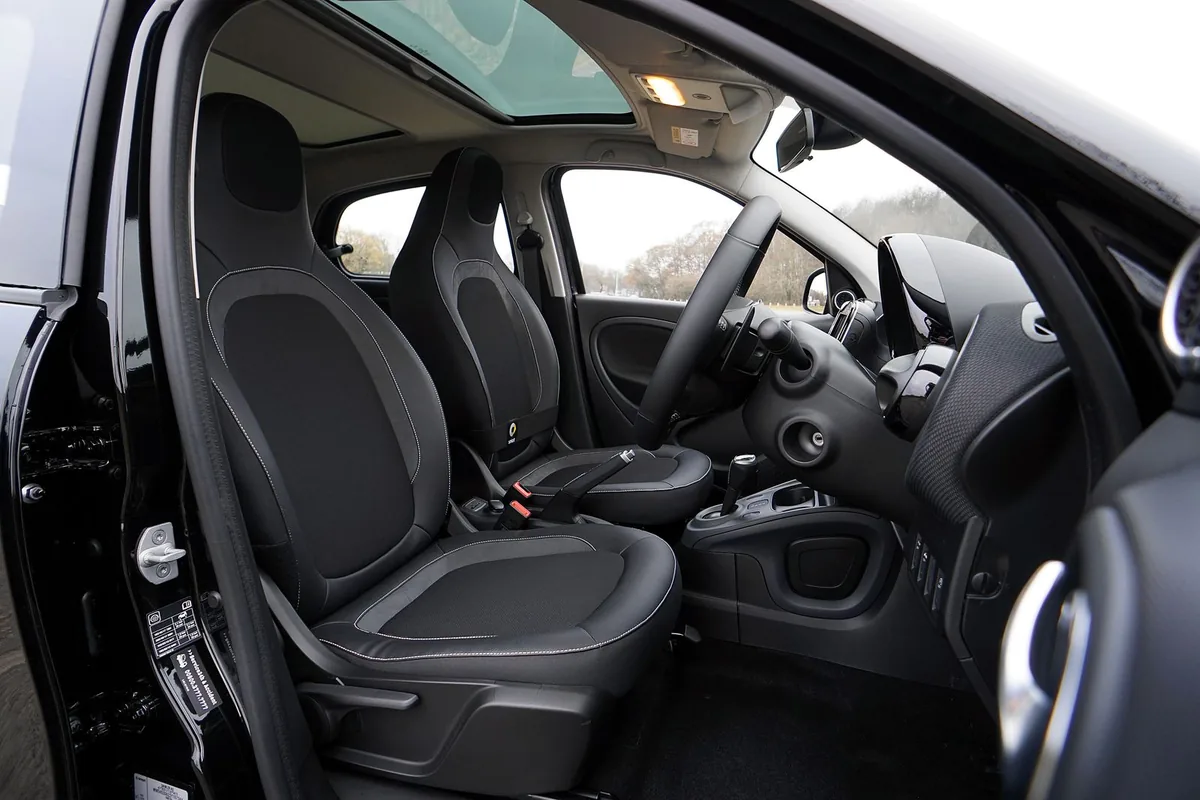
Hazmat car cleaning is the common name for decontaminating a vehicle that holds hazardous material, usually blood or body fluids. The work follows bloodborne pathogen safety rules and ends with regulated disposal.
Whether you are a driver or a business in Twining, call Twining Biohazard Cleanup Help at any hour, with 24/7 phone answering, for vehicle biohazard cleaners. Anyone in District of Columbia can call for help.
If you were exposed to blood in a vehicle, Medstar Washington Hospital Center in Washington is the closest emergency room to ask about testing and next steps.
What vehicle biohazard cleanup covers:
The team inspects the cabin, finds where fluids reached and decides what can be cleaned and what must come out.
Blood and fluids are traced across seats, floors and panels, including seat tracks, seams and beneath the mats.
Fluids are lifted from every surface they reached. Soaked items are removed and the remaining surfaces are sanitized.
The crew inspects each affected area, hauls away the waste and can provide notes for insurance claims.
Most vehicle biohazard cleanup jobs in Twining, Washington, DC cost between $500 and $5,000, based on published cost guides.
Replacing seats, carpet or trim after removal is usually separate from the cleanup itself, so ask what the quote covers.
| Type of job | Typical range |
|---|---|
| Vehicle biohazard cleanup | $500 - $5,000 |
Estimates only, not a quote. Sources: BioCleaners Directory. Price drivers include type of interior materials, how serious the event was, time since the event, air system decontamination. Call (877) 812-4220 to talk through the job.
Often, yes. Crews can work in a driveway, garage or lot, depending on space, weather and the extent of the contamination. Some vehicles are moved to an enclosed space to keep the work private and contained.
Yes. Blood can carry bloodborne pathogens such as hepatitis B and HIV. Dried blood can still be hazardous, and enclosed cabins hold odor. That is why the area is cleaned with protection and disinfected.
A vehicle where a death occurred is cleaned only after law enforcement or the medical examiner releases it. The team removes contaminated materials, disinfects and treats odor, which can settle into seats, headliner and vents.
A small spill on a hard surface can be cleaned with gloves, eye protection and an EPA-registered disinfectant. Do not do it with an open cut, and do not use the car until fluids that soaked into fabric are removed. For larger spills, call a cleanup team.
Many auto insurance policies cover some losses that are not collisions, and some policies exclude cleanup. Only your policy and your insurer can say. Call before cleanup starts, take photos and keep every receipt.
People use both phrases. Most of the time they mean decontaminating a vehicle that holds blood or other body fluids. Chemical spills are a separate hazard, and a cleanup team can say whether it can handle a specific one.
See all biohazard cleanup services in Twining, Washington, DC →
Call (877) 812-4220 any hour for vehicle biohazard cleanup.
Call (877) 812-4220